This article, published by Simply Majestic, provides a clear, factual overview of lab-grown diamonds and the methods used to create them. Understanding these gemstones helps shoppers make informed jewelry decisions with confidence.
What Are Lab-Grown Diamonds?
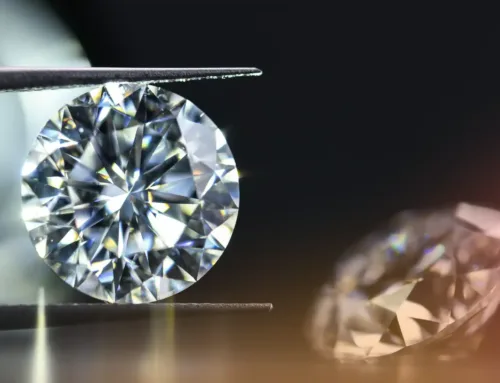
Lab Grown Diamonds are real diamonds. They possess the same chemical composition (carbon), crystal structure (the same lattice arrangement), and physical properties as diamonds formed in nature. The term describes diamonds produced in controlled laboratory environments rather than mined from the earth. Because the creation process occurs in a lab, retailers and gemologists can monitor growth conditions, traceability, and quality with a level of precision that differs from some mined stones.
How Laboratory Processes Create Diamonds
There are two primary methods used to grow lab-grown diamonds: High-Pressure High-Temperature (HPHT) and Chemical Vapor Deposition (CVD).
High-Pressure High-Temperature (HPHT)
HPHT recreates the natural conditions under which traditional diamonds form deep in the Earth’s mantle. A small diamond seed is subjected to intense pressure and high temperature, often with a metal catalyst used to facilitate carbon incorporation. Over time, carbon atoms crystallize on the seed, producing a larger diamond. HPHT-grown stones can exhibit color variations based on trace elements and treatment during growth, and they are commonly used to produce both colorless and some fancy-colored diamonds.
Chemical Vapor Deposition (CVD)
In the CVD method, a seed crystal is placed inside a sealed chamber filled with carbon-rich gases (such as methane). Energy heats the gases, causing carbon to ionize and deposit onto the seed in thin, concentric layers. With careful control of temperature, pressure, and gas composition, high-quality Lab-Grown Diamonds form with precise crystal growth. CVD is widely used to produce colorless and near-colorless stones, as well as fancy colors through post-growth treatments.
How They Compare to Earth-Mined Diamonds
- Similarities: Lab-grown diamonds and natural diamonds share the same mineral, carbon composition, and rigidity. They have the same refractive properties, hardness, and brilliance when cut well.
- Differences: Lab-grown diamonds are traceable to production facilities, offering transparency about origin and growth method. Pricing tends to be more favorable for similar carat and quality, though prices vary with color, cut, and carat. Inclusions and growth patterns may differ from earth-mined stones, so treatment history (if any) should be verified with grading reports.
Quality, Certification, and Buying Tips
- Certification: Seek a reputable grading report from recognized laboratories such as GIA, IGI, or GCAL. A certificate confirms carat weight, color, clarity, cut, and measurements, regardless of origin.
- The 4 Cs for Lab-grown Diamonds: Carat, Cut, Color, Clarity — the same framework used for mined diamonds. A well-cut Lab Grown Diamond will maximize brilliance, even at higher carat weights.
- Documentation: Confirm the growth method (HPHT or CVD) if transparency about the stone’s origin matters for you. Some certificates note any treatments or enhancements.
- Practical buying tips: Compare stones within the same grade range, review light performance through a performance cut rating, and inspect symmetry and depth percentage. Ask about the retailer’s return policy, warranty, and aftercare guidance.
Environmental and Ethical Considerations
Lab-grown Diamonds generally involve lower mining-associated environmental disruption and can offer clearer supply chains. However, energy consumption and process efficiency are important factors; reputable producers improve sustainability by using renewable energy sources and optimizing growth cycles. Consumers should evaluate a supplier’s environmental statements and certification for a complete view of impact.
How to Choose and Shop
- Define your budget and desired size, then narrow by the 4 Cs applicable to Lab-grown Diamonds.
- Prioritize a trusted certification and policy on returns and warranties.
- Ask about the growth method, post-growth treatments, and any quality assurances.
- Consider the emotional and practical aspects: a lab-grown option can provide high value, ethical assurance, and enduring beauty.
Lab-grown Diamonds offer a compelling combination of authenticity, quality, and value. By understanding how these stones are created and how to evaluate them, you can shop with confidence. If you’re exploring Lab-grown Diamonds, Simply Majestic invites you to consult with our gemologists, review certification options, and request a personalized quote to find the ideal stone for your jewelry—whether as an engagement piece or a collectible center stone.