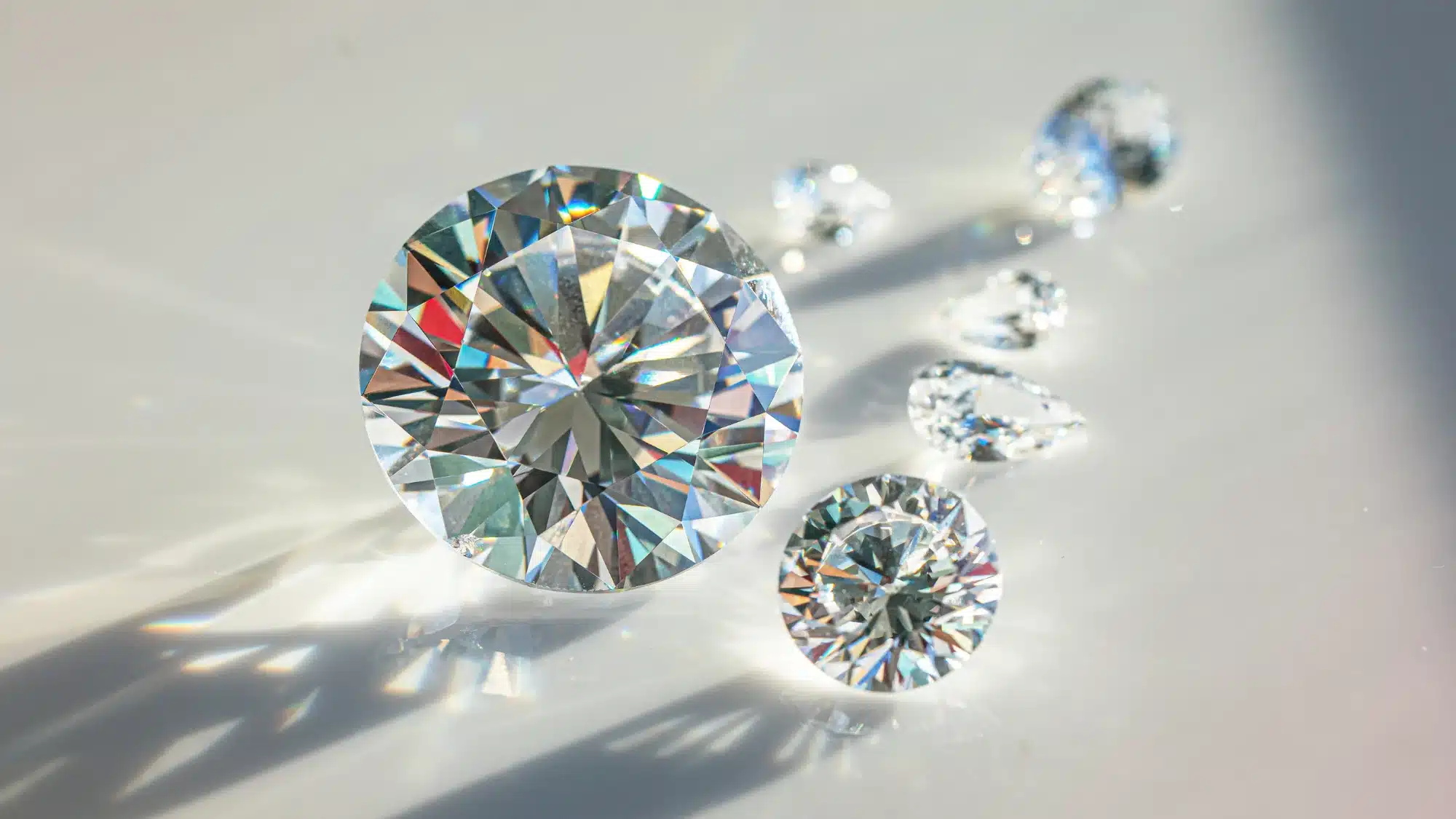
When choosing the perfect stone for an engagement ring, the decision may come down to lab-grown diamonds versus mined diamonds. At Simply Majestic in Mystic, CT, shoppers can explore diamond and engagement ring options with personalized guidance. This guide explores some of the differences between lab-grown and mined diamonds to help you make an informed choice.
Understanding Lab-Grown Diamonds
Lab-grown diamonds are real diamonds created in controlled laboratory environments rather than extracted from the earth. Common production methods include High Pressure High Temperature (HPHT) and Chemical Vapor Deposition (CVD).
Lab-grown diamonds have essentially the same chemical composition and physical characteristics as natural diamonds, making them an option worth considering when selecting an engagement ring.
Advantages of Lab-Grown Diamonds
- Potential Cost Savings: Lab-grown diamonds are often priced differently from comparable mined diamonds, which may allow shoppers to consider different sizes or quality characteristics within their budget.
- Additional Choices: Lab-grown diamonds provide another option when comparing stones based on size, cut, color, clarity, and price.
- Controlled Origin: Because they are created in a laboratory rather than mined, their origin differs fundamentally from that of natural diamonds.
Pricing and other characteristics vary considerably between individual diamonds, so comparing specific stones is more useful than relying on a fixed percentage difference.
The Appeal of Mined Diamonds
Mined, or natural, diamonds form beneath the earth over extremely long periods of time before being recovered and prepared for use in jewelry. For some buyers, their natural origin, rarity, and longstanding connection with engagement jewelry contribute to their appeal.
Why Choose Mined Diamonds?
- Tradition: Natural diamonds have a long history of use in engagement rings and fine jewelry.
- Natural Origin: Each mined diamond was formed naturally within the earth.
- Personal Preference: Some shoppers simply prefer the history, rarity, and symbolism associated with a naturally formed stone.
Resale and long-term value can vary significantly based on the individual diamond, market conditions, documentation, and other factors, so value should not be assumed solely from whether a diamond is lab-grown or mined.
Making the Right Choice for You
- Consider your budget and compare individual lab-grown and mined diamond options.
- Think about whether natural or laboratory origin matters to you.
- Compare cut, color, clarity, carat weight, and overall appearance.
- Consider the engagement ring setting and how the diamond complements the design.
- Ask a knowledgeable jeweler for information about the particular stones you are considering.
Ultimately, the right choice depends on your preferences, priorities, and budget.
Lab-Grown vs Mined: Key Differences
- Origin: Lab-grown diamonds are created in controlled laboratory environments, while mined diamonds form naturally within the earth.
- Price: Lab-grown and mined diamonds can have different pricing structures, with lab-grown options often available at lower prices than comparable natural stones.
- Availability: Both categories offer diamonds in a variety of cuts, colors, clarities, and carat weights.
- Personal Significance: Some shoppers value the natural origin and tradition of mined diamonds, while others prefer the options available with lab-grown diamonds.
Environmental impact is more complex than simply labeling one category environmentally friendly. Impacts can vary depending on mining practices, laboratory energy sources, manufacturing processes, and other factors.
FAQ Section
Are lab-grown diamonds as durable as mined diamonds?
Lab-grown and mined diamonds share essentially the same physical characteristics, including the hardness associated with diamond. Both can be suitable for jewelry intended for everyday wear, including engagement rings.
Can people tell lab-grown from mined diamonds?
Lab-grown and natural diamonds can look extremely similar to the unaided eye. Determining origin may require specialized equipment, testing, or documentation from a recognized gemological laboratory.
Do lab-grown diamonds have resale value?
Resale value varies and is not guaranteed for either lab-grown or mined diamonds. Factors such as market demand, stone characteristics, condition, documentation, and the buyer can influence resale value.
Are lab-grown diamonds graded the same as mined diamonds?
Lab-grown diamonds can be evaluated using familiar diamond quality characteristics, including cut, color, clarity, and carat weight. Buyers should review the grading documentation provided with the particular diamond they are considering.
Conclusion
Whether you prefer lab-grown or mined diamonds, both can provide beautiful options for an engagement ring. Simply Majestic in Mystic, CT, offers engagement rings, diamonds, loose diamonds, and custom-design services to help customers find jewelry suited to their individual style.
If you’re exploring engagement lab-grown diamond rings Connecticut shoppers can consider, visit Simply Majestic at 59 Williams Avenue in Mystic to compare options and discuss your preferences with the team. Contact Simply Majestic to learn more or arrange a private shopping appointment.